
Fanatics Fest • Ticketing Website • January 2025
Building a ticketing experience worthy of the hype
Overview
Building a ticketing experience worthy of the hype
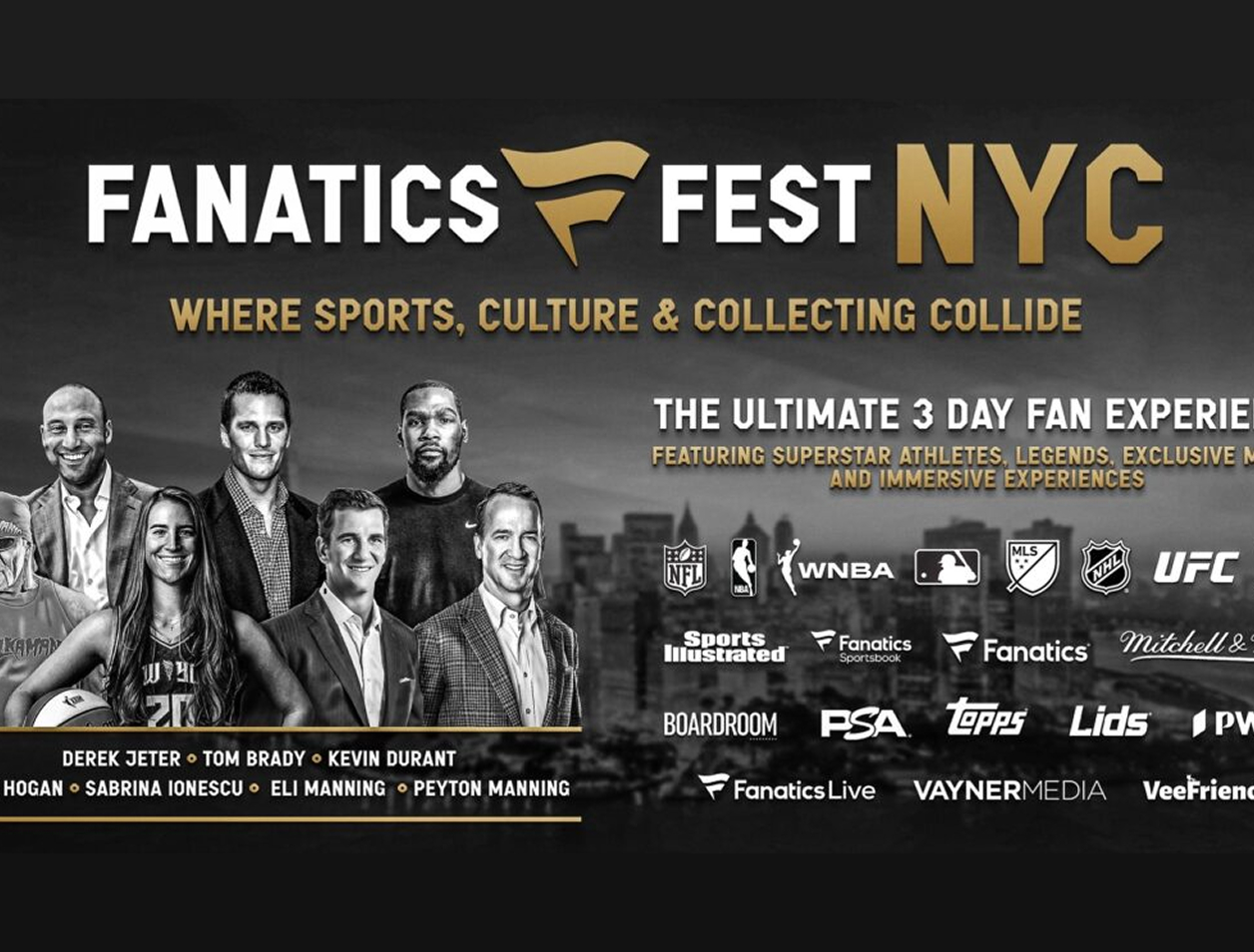
Fanatics Fest is a large-scale sports and entertainment event attracting over 125,000 attendees at the Javits Center. I redesigned the ticketing website, the primary entry point for fans deciding if, when, and what to buy.
The core problem was decision friction. Ticket types, pricing, and event value were unclear, making it hard for users to commit. This project focused on restructuring information into a system that supports fast, confident purchase decisions under high demand and a compressed one month timeline.
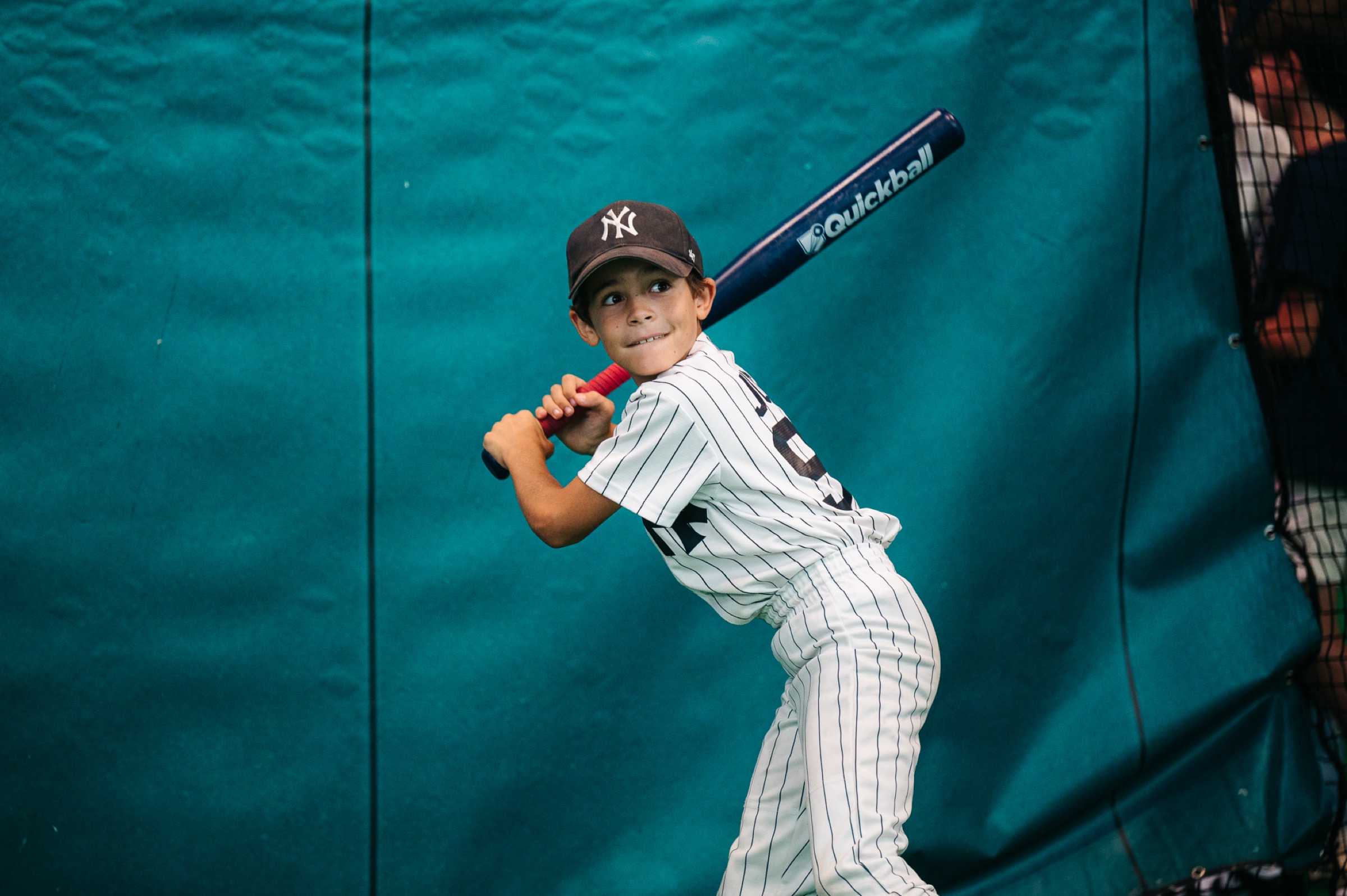
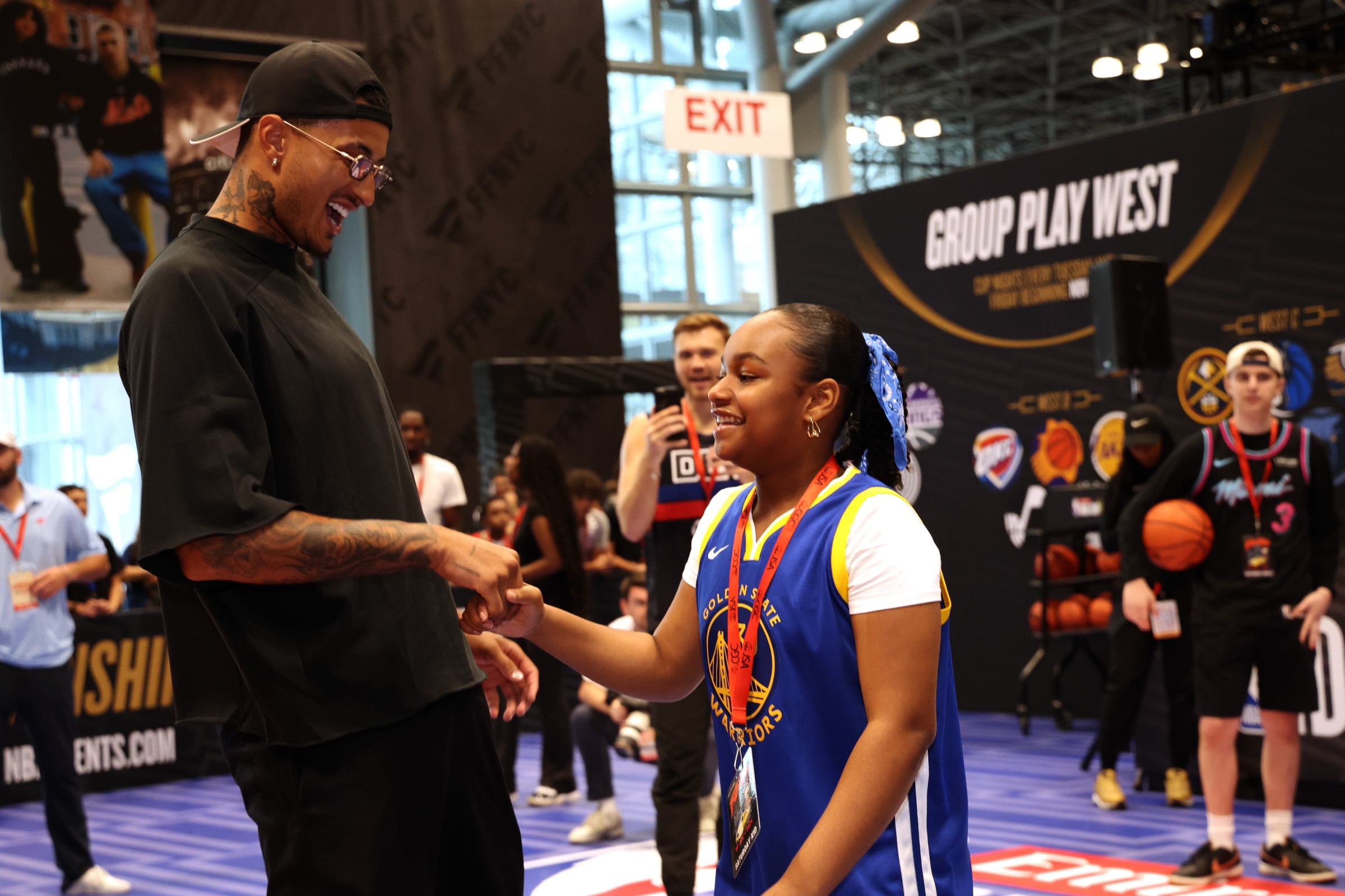
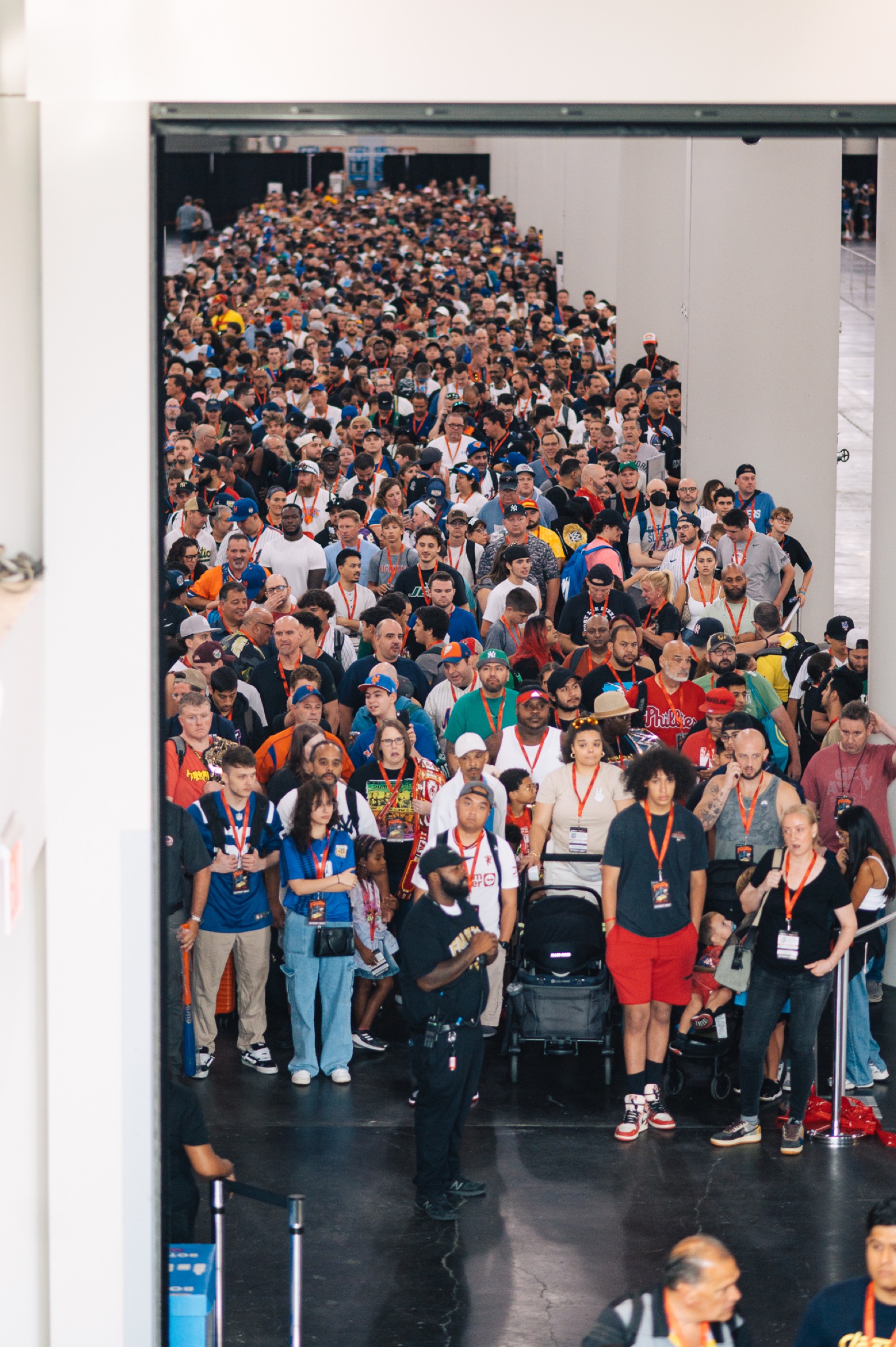
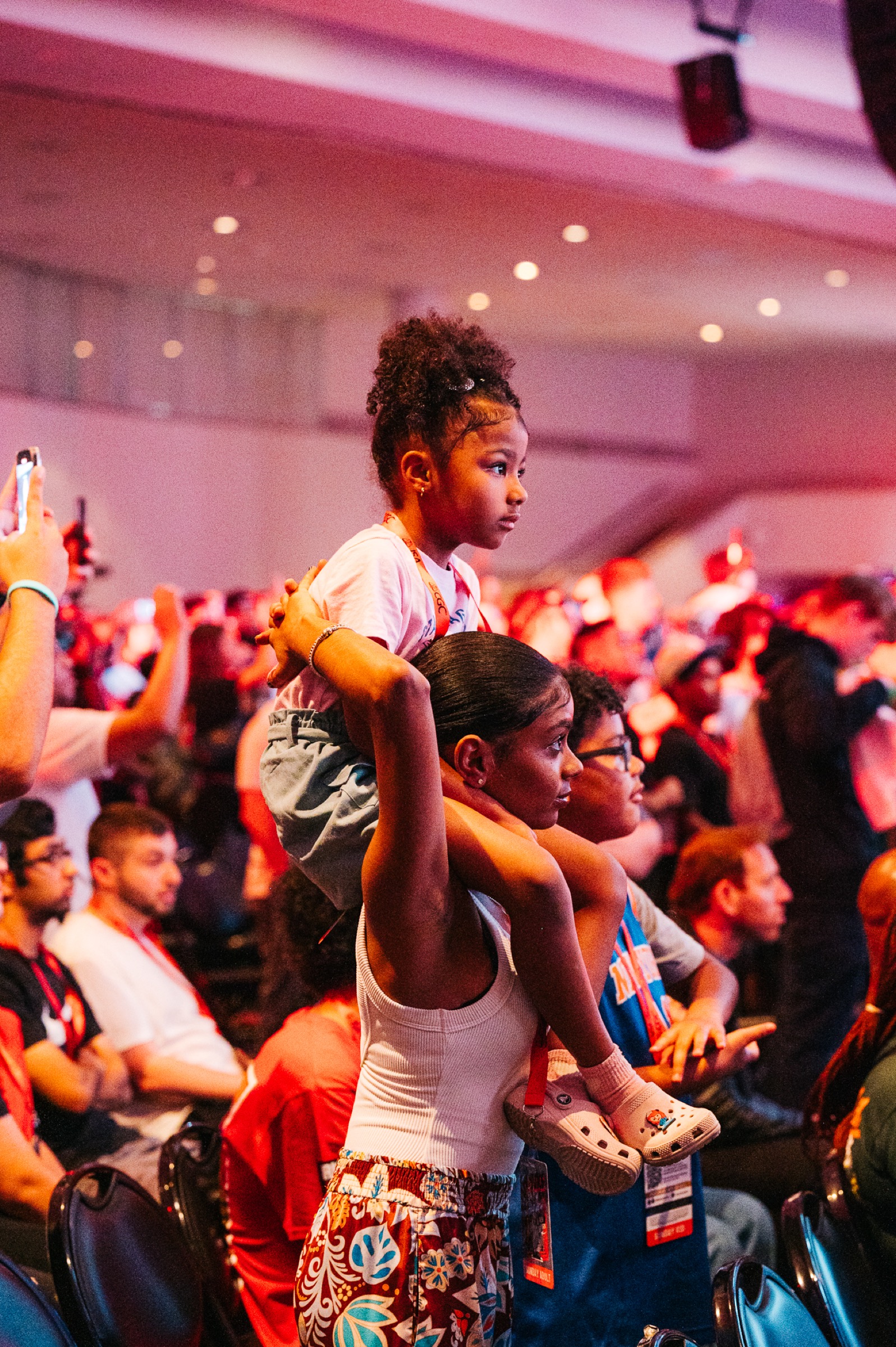
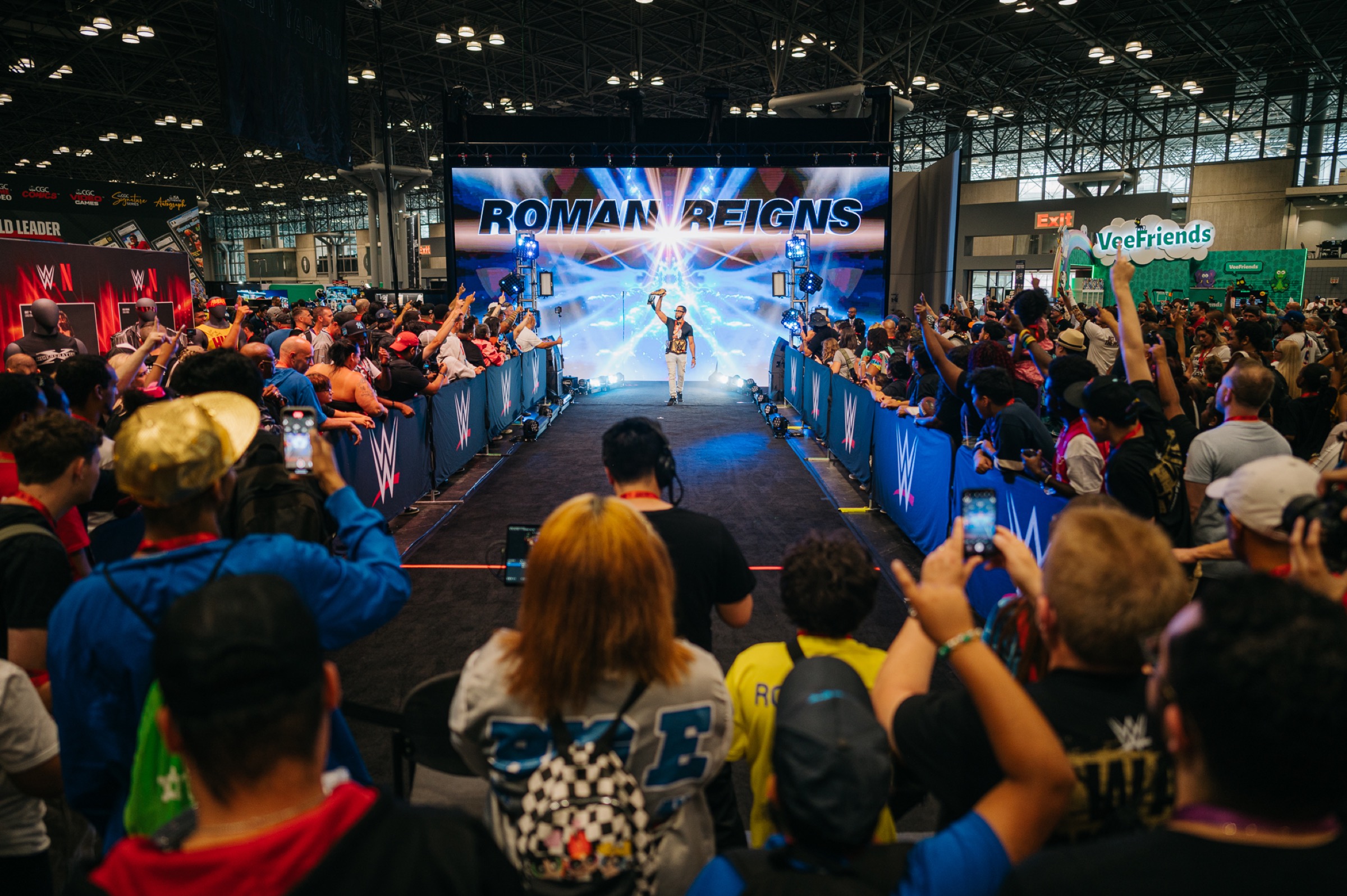
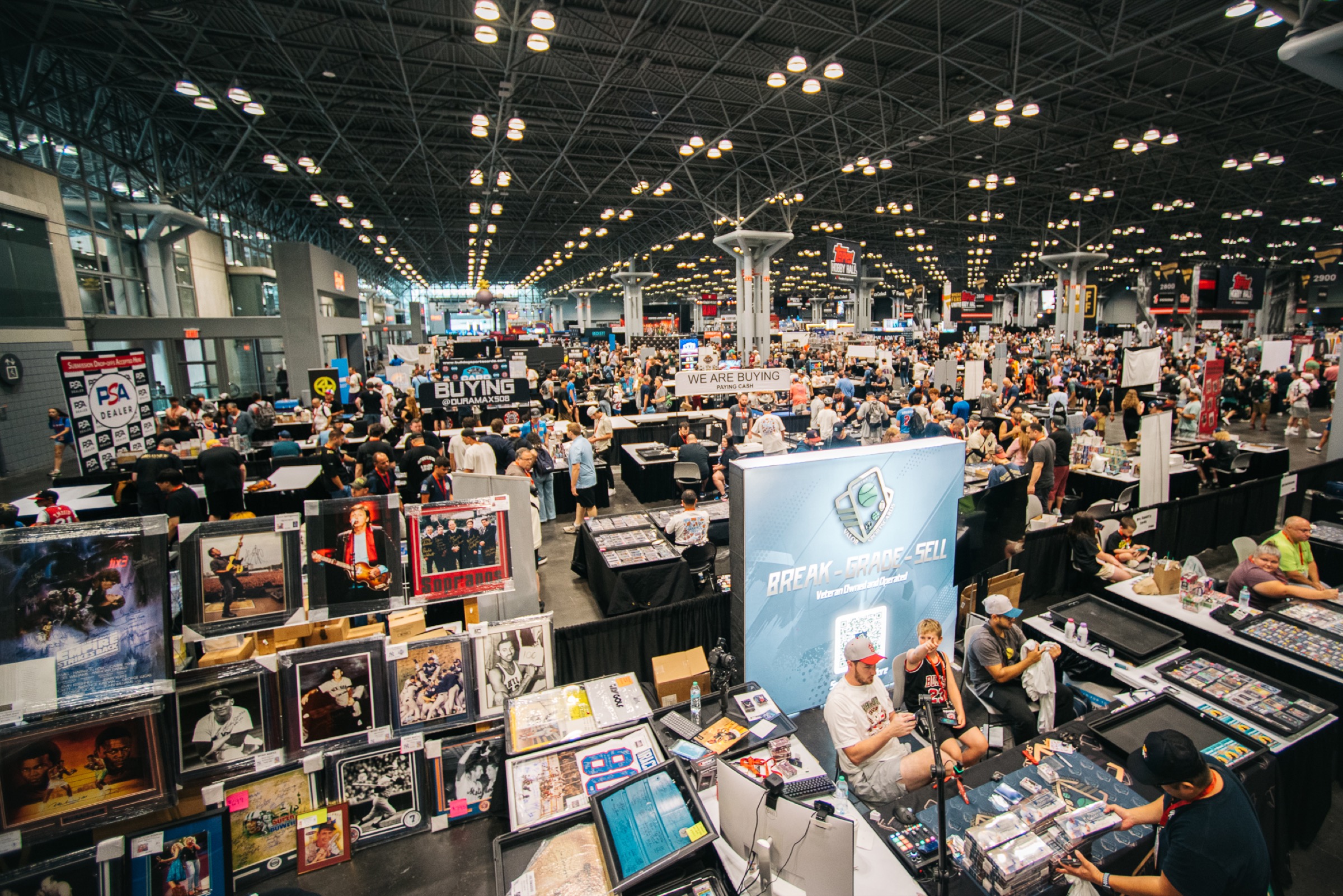
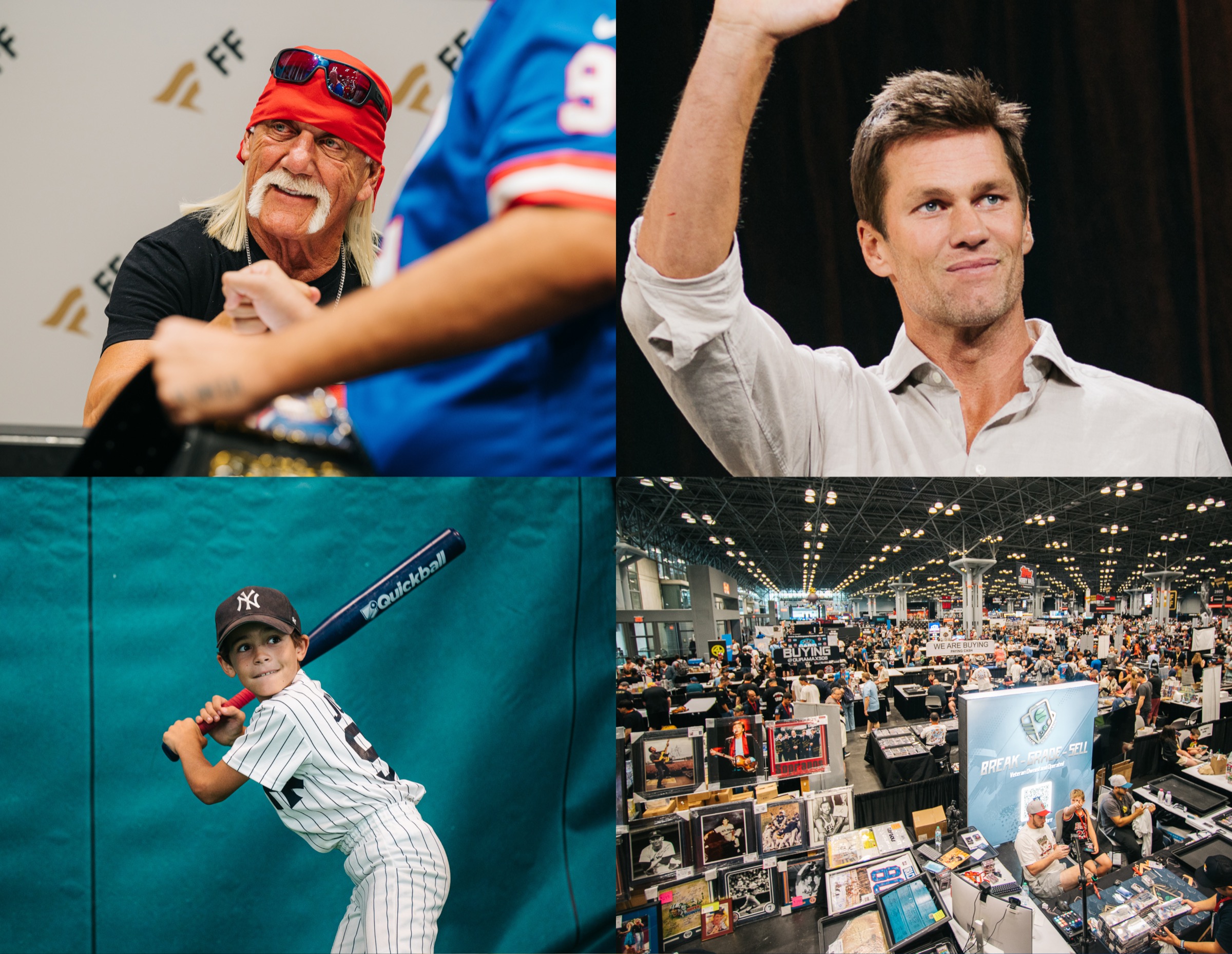
Event imagery provided by client (Fanatics Fest)
The Problem
A ticketing experience that felt flat
Fans arriving on the ticketing site struggled to understand what they were buying. Ticket types, pricing, and included experiences were fragmented across pages, forcing users to piece together value on their own.
This created hesitation at the point of purchase. Users compared options manually, second guessed decisions, or dropped off entirely. As attendance scaled, the system could not support fast, confident decision making during a time sensitive sales window.
Design Direction
Making ticketing part of the event itself
The shift was from a checkout flow to a decision system. Instead of optimizing a transaction, the site was restructured to help users understand options, compare value, and commit in a single flow.
Three principles guided the work
- Front-load decision clarity Ticket types, pricing, and included experiences were consolidated into one structured view to eliminate cross-referencing.
- Prioritize comparison over exploration Layouts were built for side-by-side evaluation so differences between ticket tiers are immediately clear at the point of selection.
- Design for speed under load Key paths were simplified and standardized to reduce steps and support fast navigation during high traffic spikes.
Design Exploration
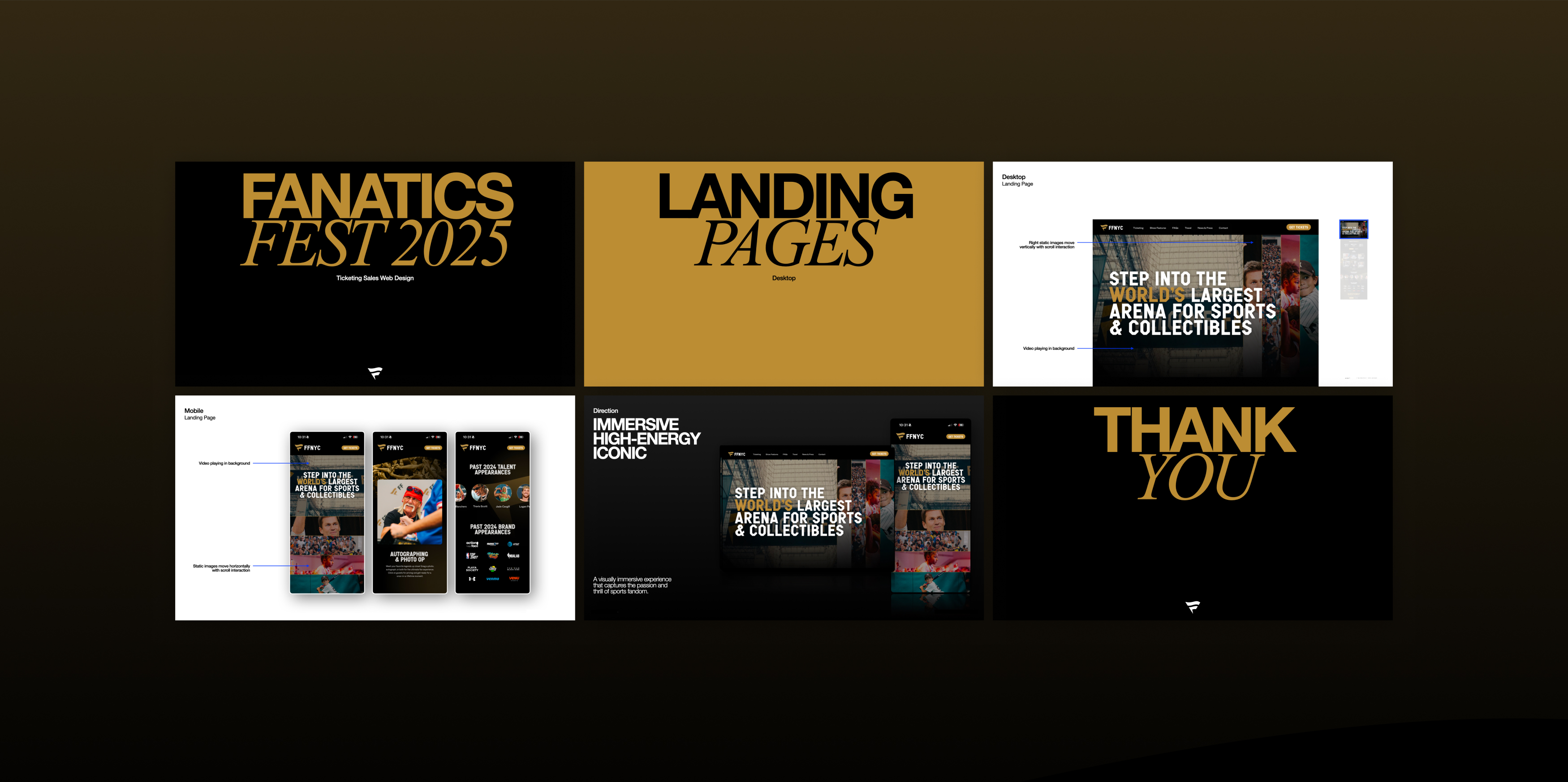
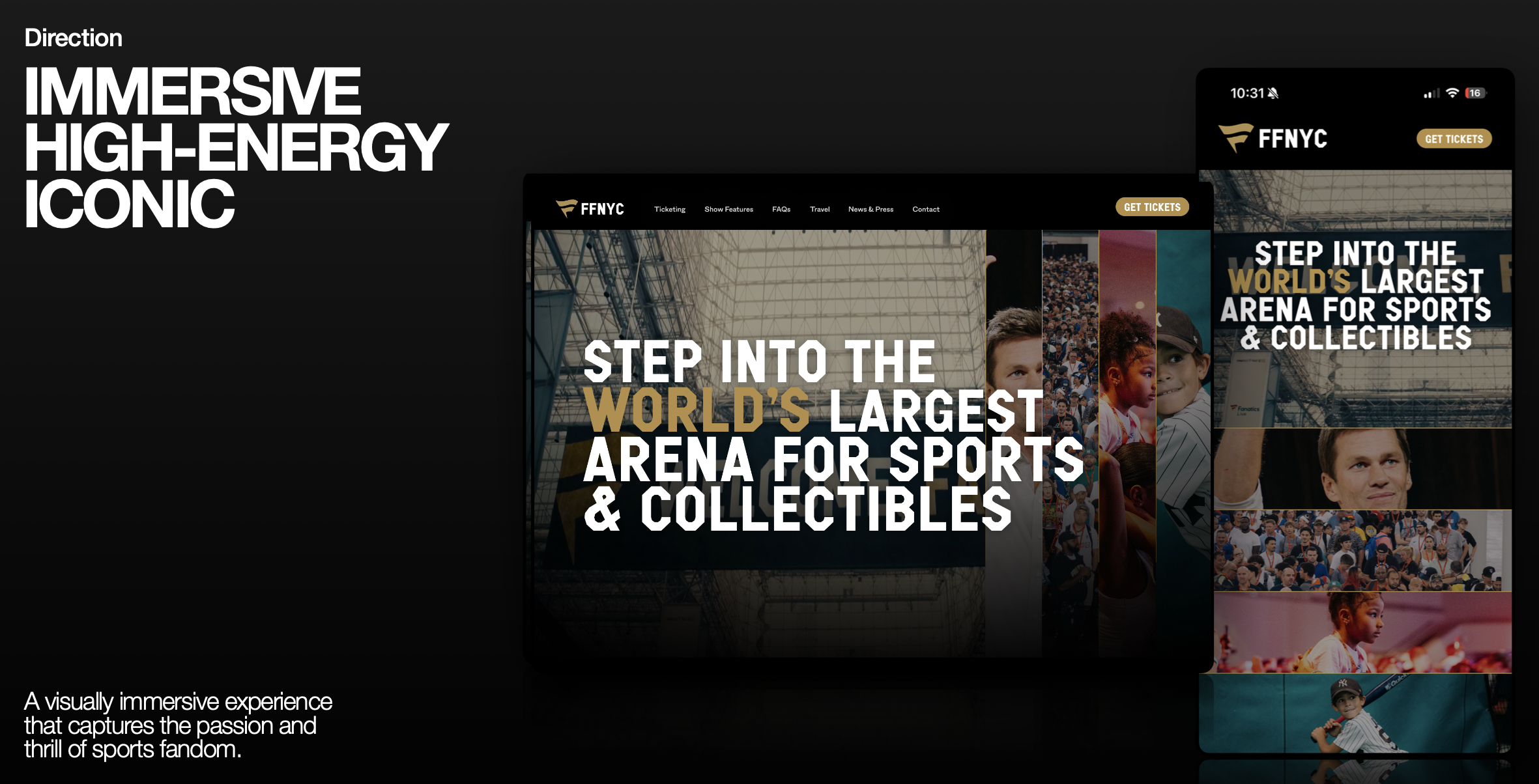
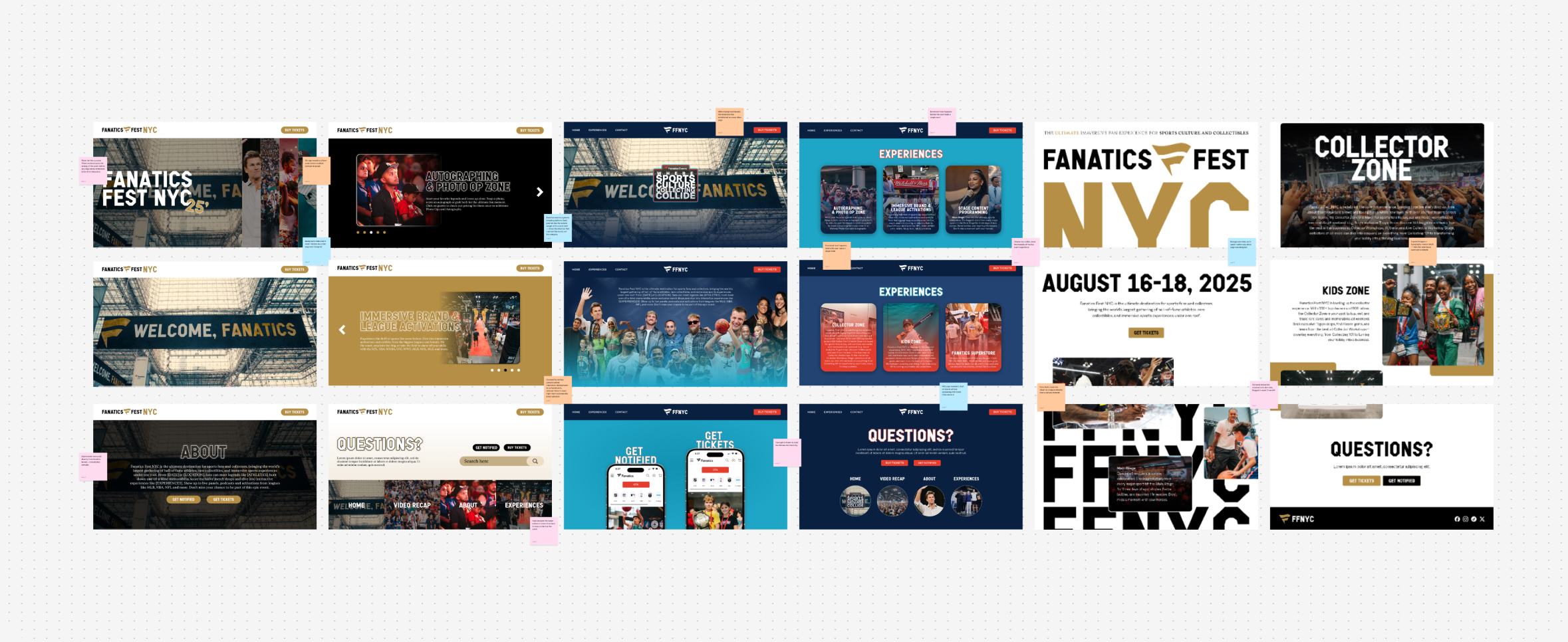
Immersive, High-Energy, Iconic
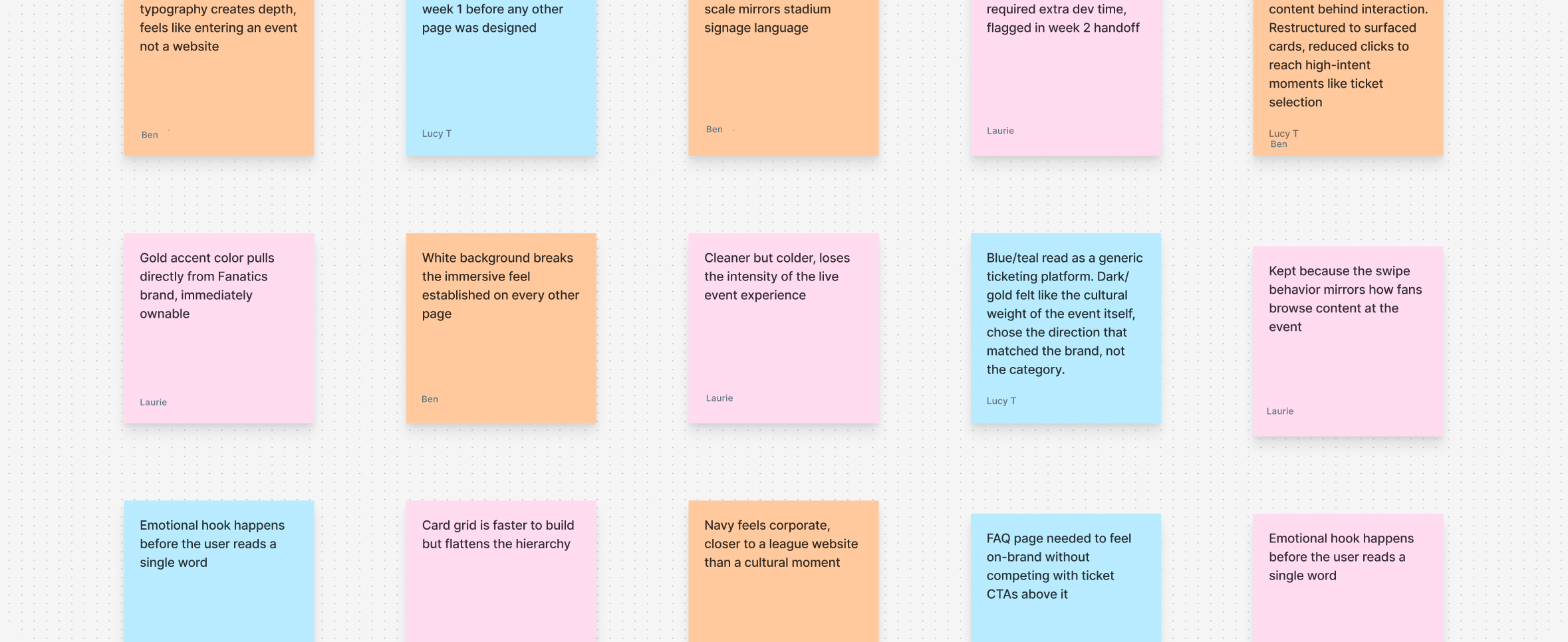
Early exploration worked within the existing Fanatics design system, but initial directions lacked the energy and differentiation the event demanded. The first two rounds were too similar to each other; neither felt distinct enough to match the scale of Fanatics Fest or create the hype the brand needed.
After several rounds of feedback, the focus shifted. Overlapping elements, heavy gradients, layered imagery, and certain type treatments were pulled back because those choices were getting in the way of usability. Accessibility and information architecture became the priority, ensuring users could navigate quickly without the visual layer creating friction.
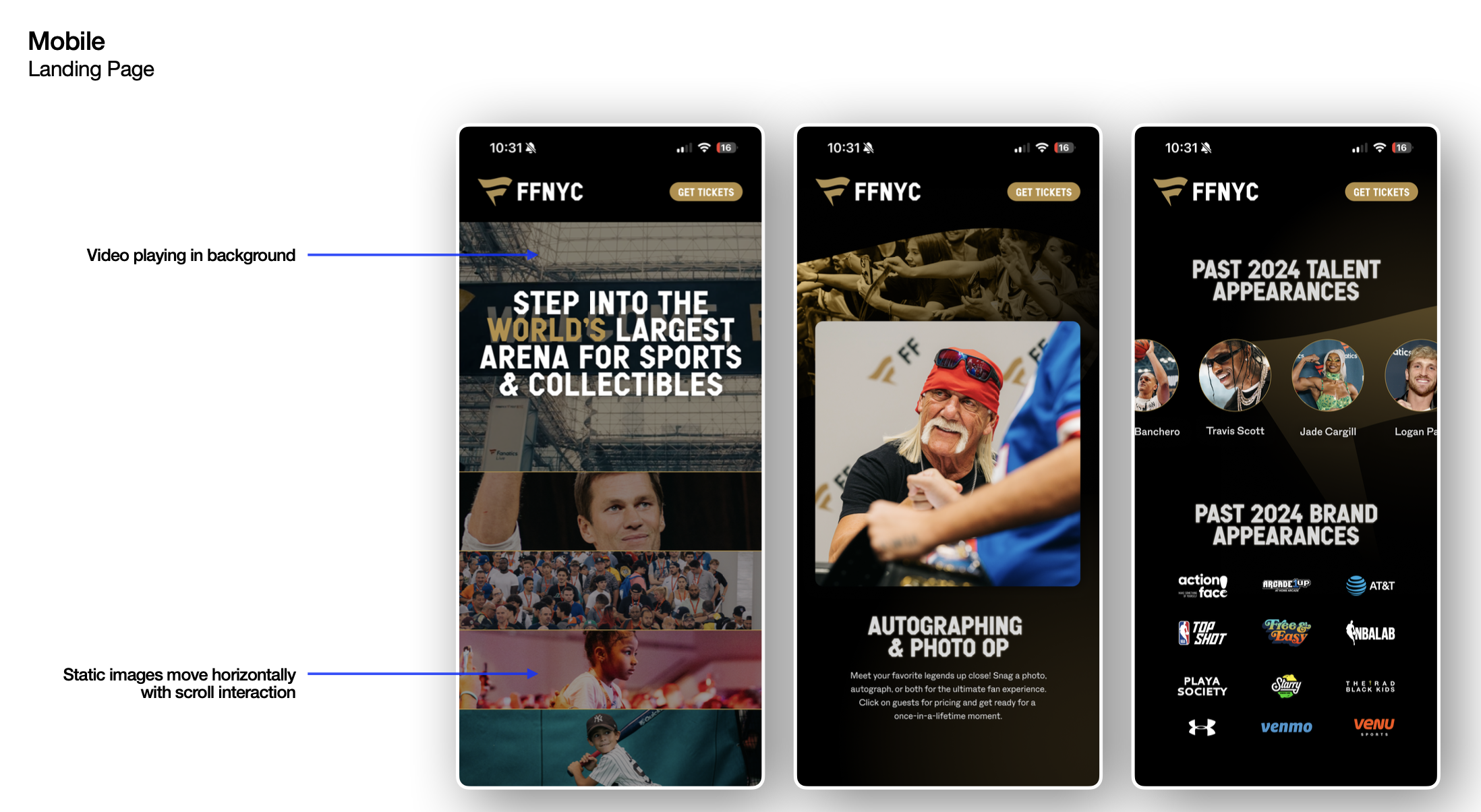
The final direction used the same system differently, leveraging it in ways that brought more energy while keeping decision points clean and scannable. It took upwards of eight revisions to land there.
Final Product
A platform that actually feels like the event
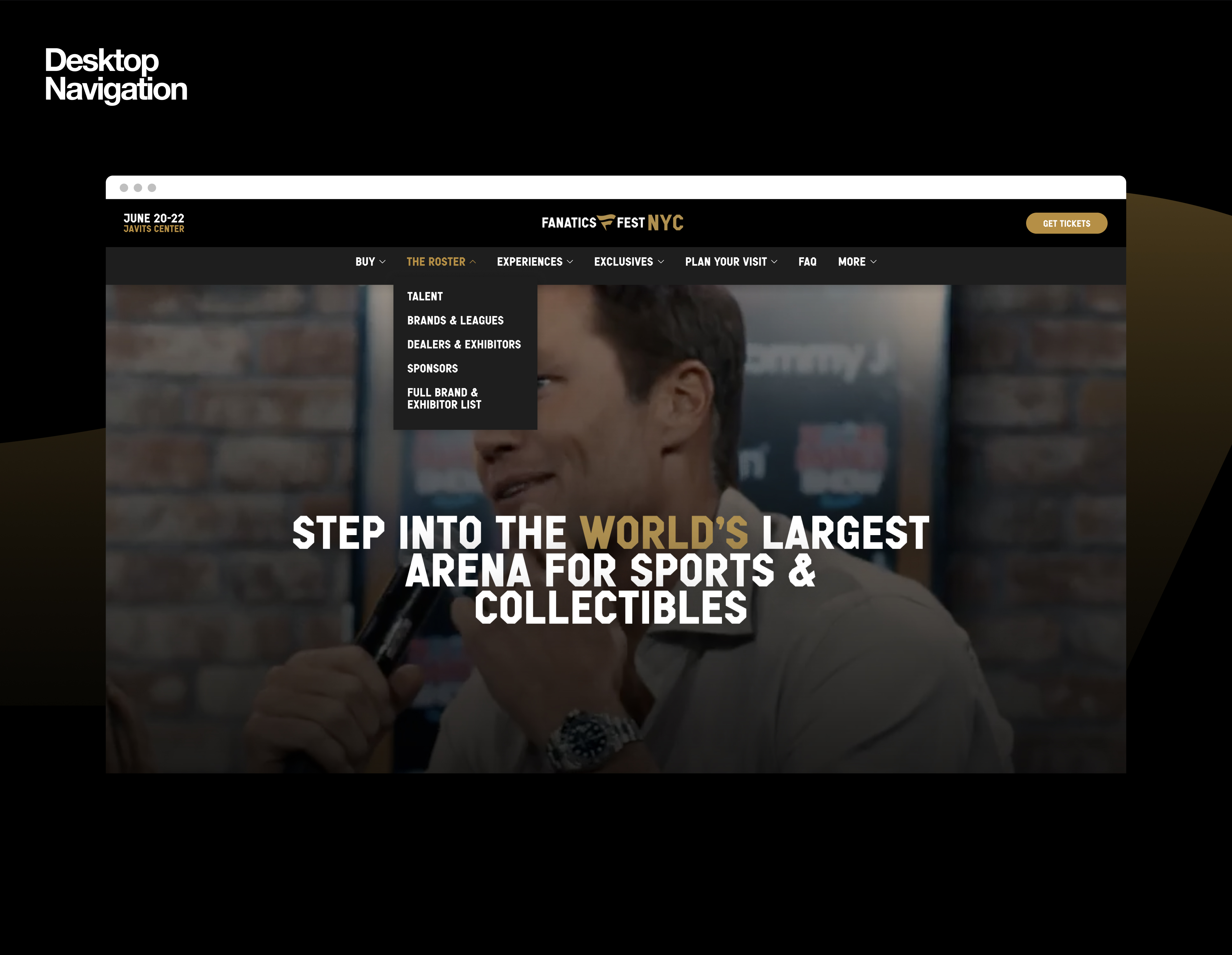
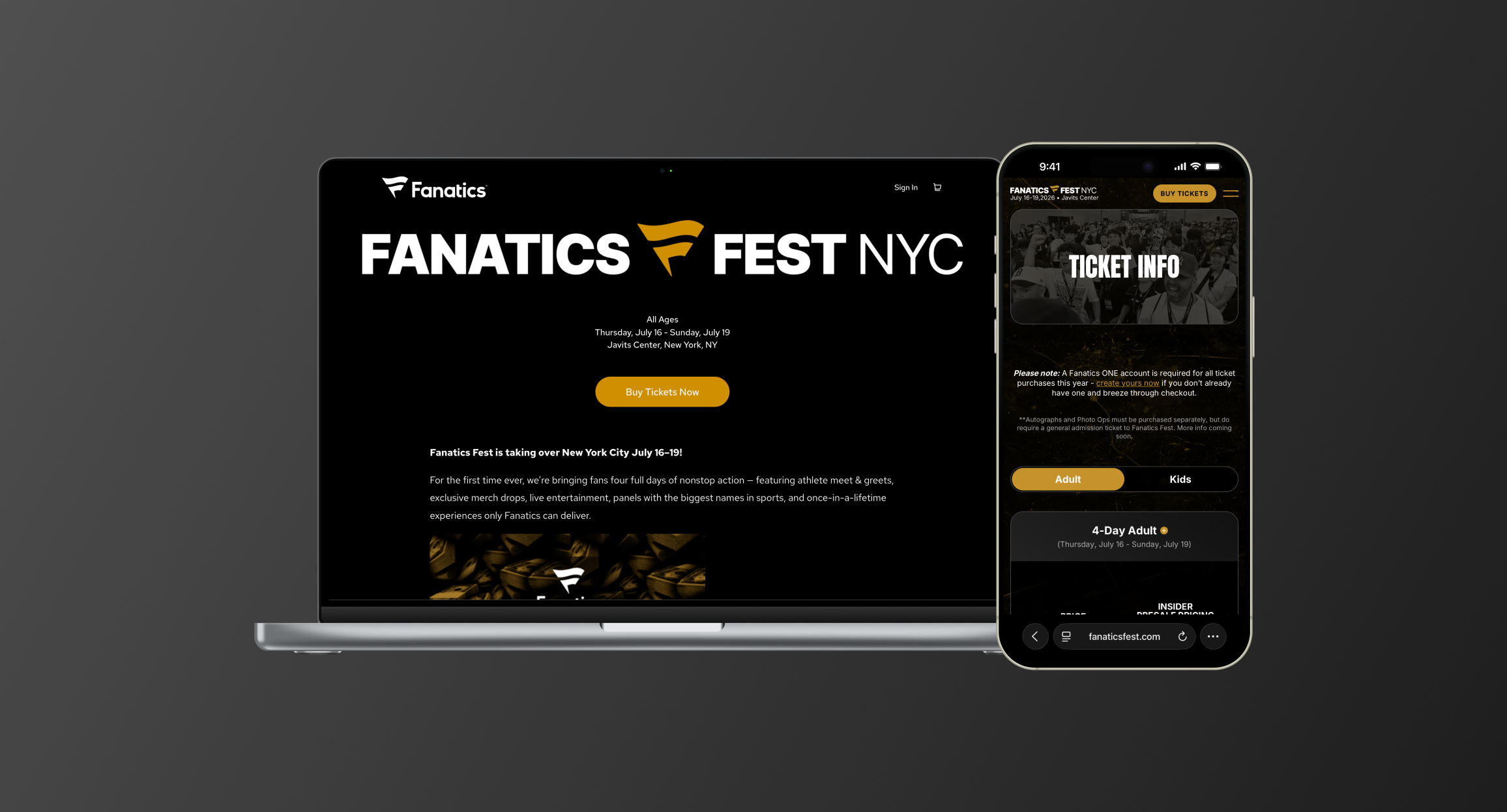
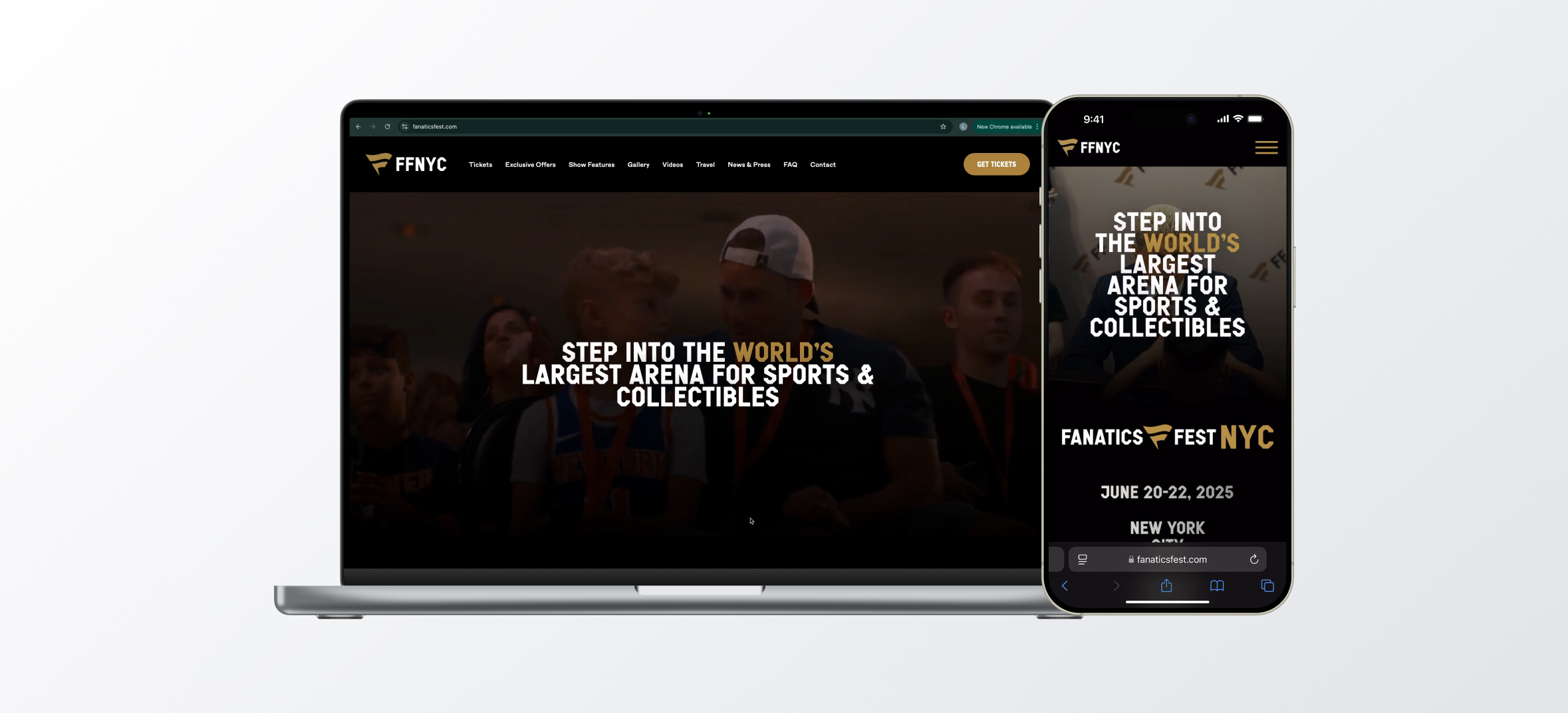
The final product is a structured decision flow that moves users from discovery to purchase without breaking context. Event information, ticket options, and value are integrated into a single system, allowing users to understand, compare, and select without navigating across disconnected pages.
Users enter with high-level context, transition into a consolidated ticket view, and make a selection with a clear understanding of what each option includes. Removing fragmentation reduces interpretation and enables faster decisions at the point of purchase.
Impact
Delivering for a record-setting event
The redesign supported a high-volume sales cycle during a record-setting year, with over 125,000 attendees and a full Saturday sellout. Reducing friction in ticket selection enabled faster decision making during peak demand.
Internally, the structured design system and file organization improved handoff speed and reduced iteration time during a compressed build. This allowed the team to deliver a full-site overhaul without delays.
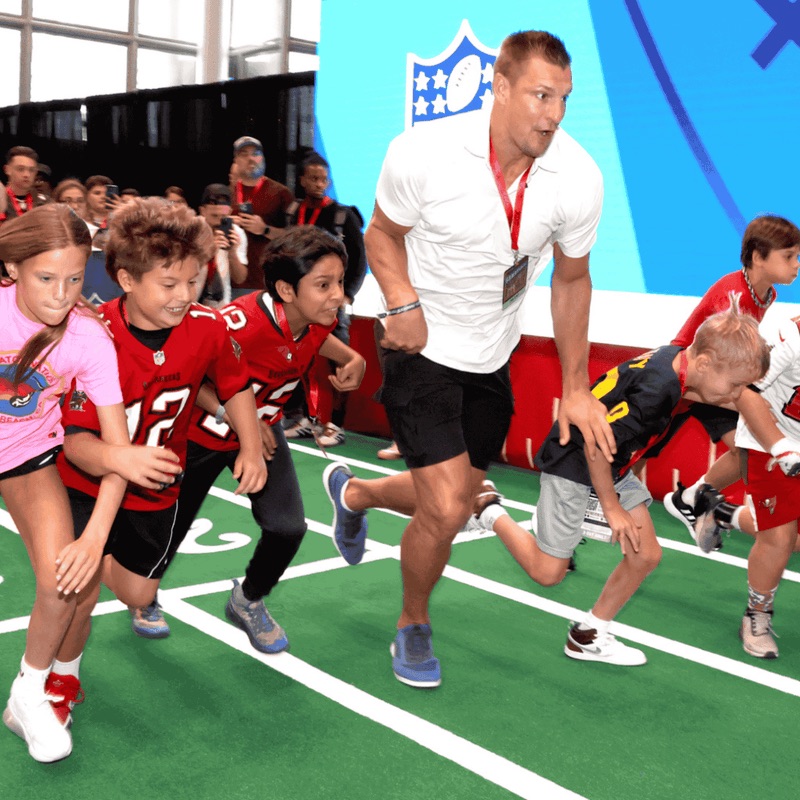
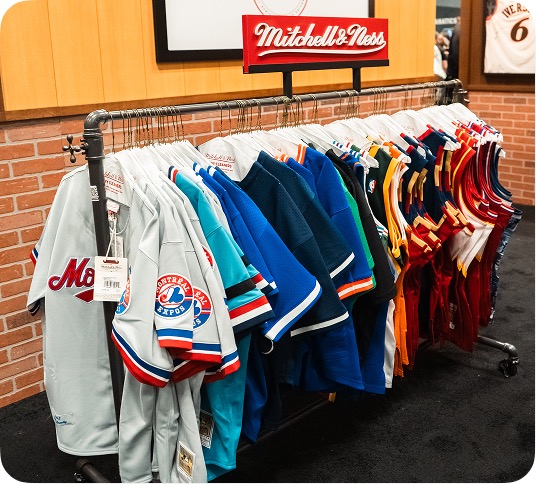
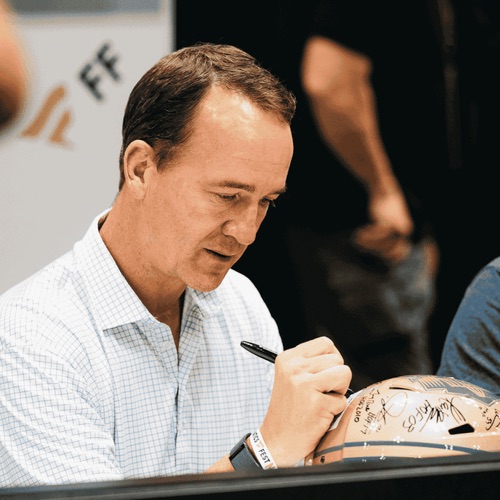
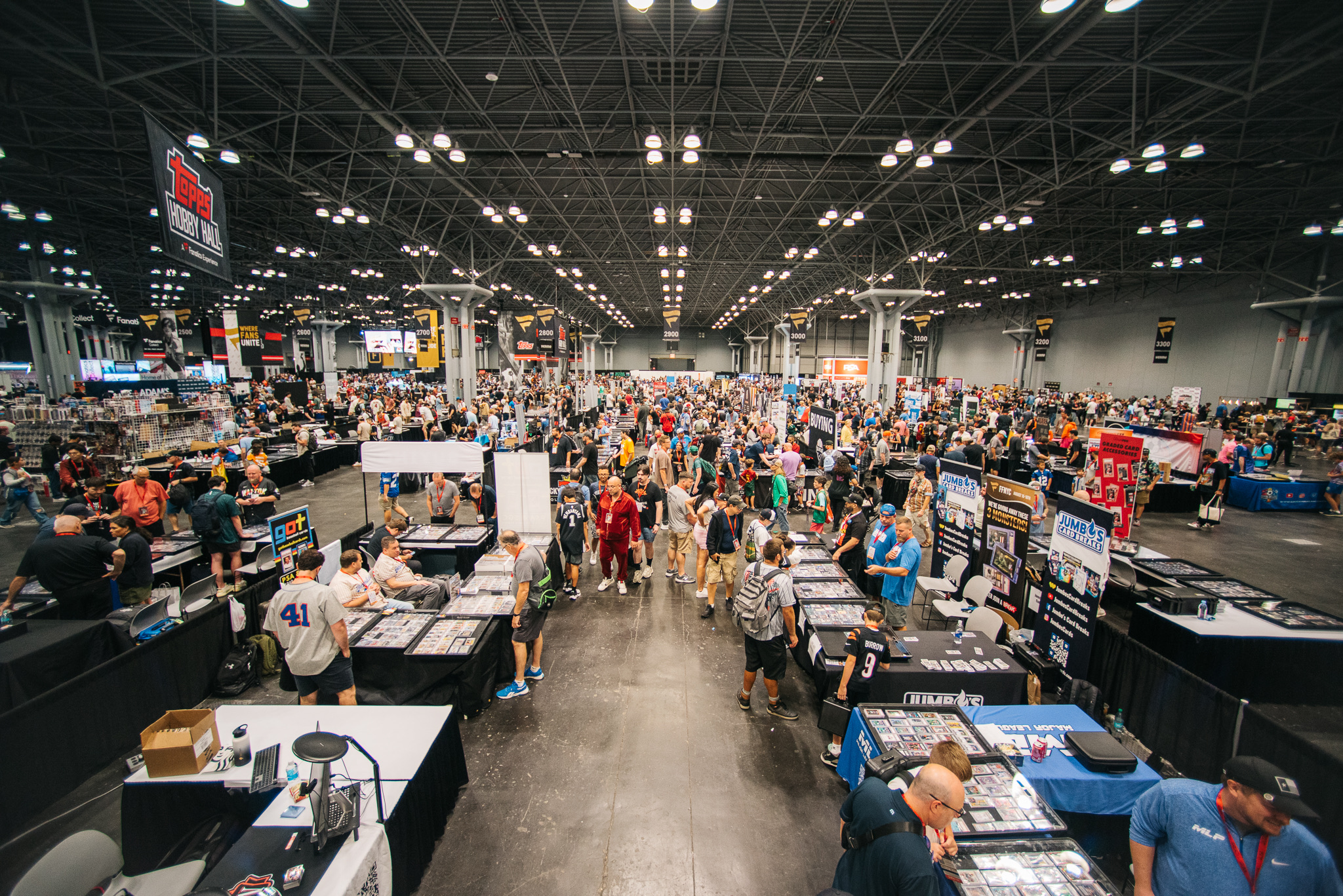
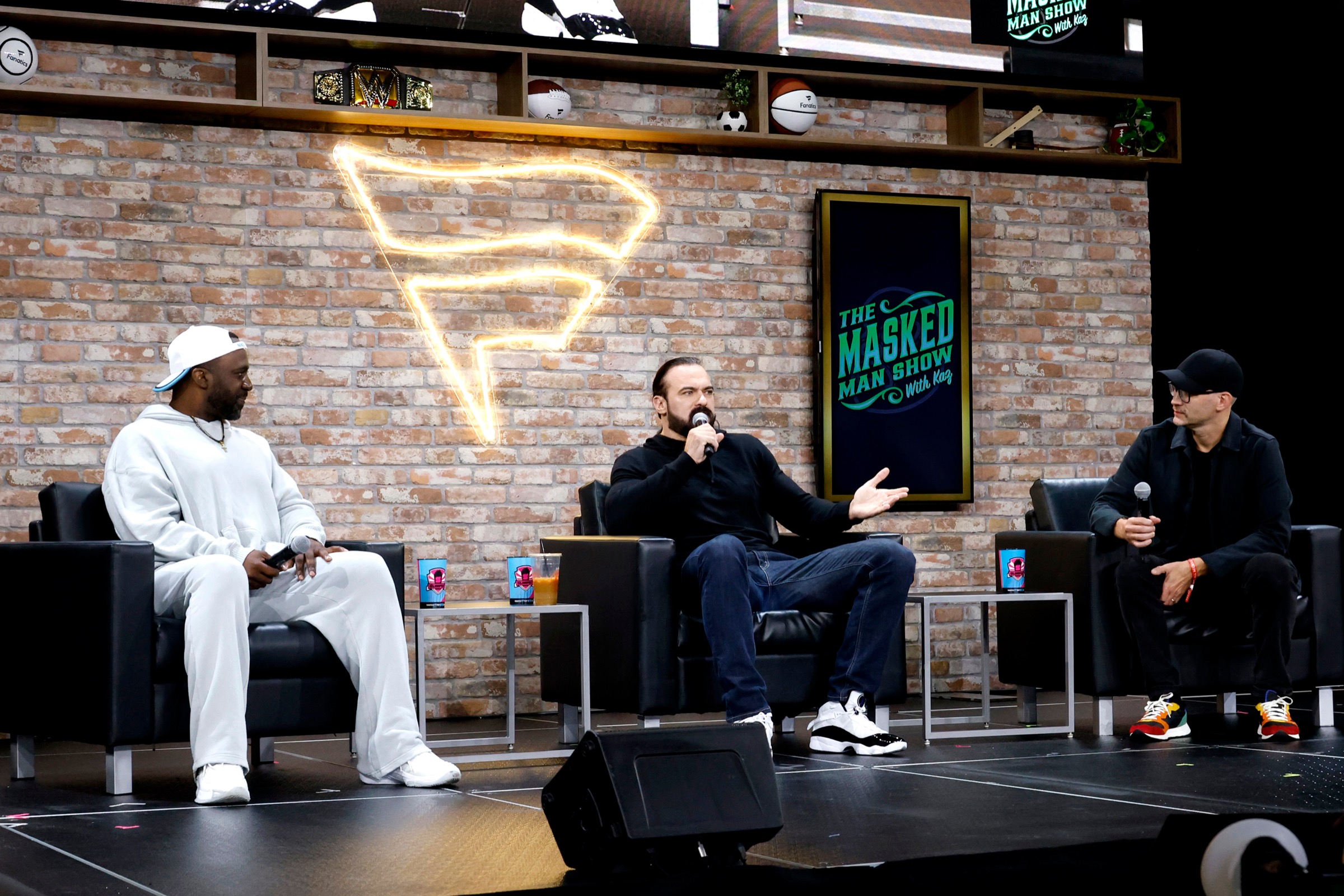
Event imagery provided by client (Fanatics Fest)
Reflection
Designing systems under pressure
This project changed how I approach design under pressure. Instead of focusing on individual screens, I prioritized how the system supports decision making, what users need to understand, and in what order.
The timeline forced clearer tradeoffs. I relied on simple, repeatable patterns and closer collaboration with engineering to ensure the system could scale and ship quickly.
If I revisited this work, I would validate key decision points earlier with real users or behavioral data. The structure reduced friction, but earlier testing would have identified where hesitation still existed and where the system could be stronger.
Presentation